
About Cure First

A nonprofit founded to put patients first
Cure First was founded by Carla Grandori, MD, PhD, a physician-scientist with more than two decades advancing functional genomics and precision oncology. She launched Cure First to ensure that cutting-edge, functional precision medicine is accessible to patients with hard-to-treat cancers.
Cure First’s work is recognized and supported by leaders in cancer research, including Nobel laureates and the current director of the National Cancer Institute, Anthony Letai, as well as a broad network of oncology experts who have participated in our Cancer Think Tanks. This network reflects the credibility and impact of our mission: to translate scientific breakthroughs into actionable insights for patients and clinicians.
As a nonprofit, our work centers on:
Expanding access to functional precision medicine
Supporting clinicians with education and scientific resources
Partnering with leading researchers and institutions
Advocating for payer adoption and broader affordability
We envision a future where every patient and care team—regardless of income, geography, or cancer type—can access the latest tools in functional precision oncology.
Rooted in rigorous science. Informed by real-world impact.
Cure First maintains the scientific expertise, lab infrastructure, and partnerships that allow oncologists to access actionable insights for patients with late-stage or hard-to-treat cancers. Our approach is informed by high-throughput functional genomics, patient-derived models, and a multidisciplinary team of biologists, engineers, and clinical leaders, all working together to advance safer, targeted, and personalized cancer treatments.
Rooted in rigorous science. Informed by real-world impact.
The PARIS Test builds on years of functional genomics research and has been used across a wide range of cancers to help identify personalized treatment strategies. This work has been published in peer-reviewed journals and carried out by a highly skilled team of biologists, engineers, and clinical leaders.
A few examples of documented patient benefit include:
An ovarian cancer patient who experienced meaningful recovery and extended quality of life after the PARIS Test revealed an unexpected targeted therapy.
A patient with advanced pancreatic cancer who achieved a durable complete remission after PARIS identified HER2-directed treatment as a promising option.
[Graphic element/testimonial tile: "Cancer is unique to everyone. As a person with Stage 4 Ovarian cancer and limited treatment options, The Paris Test provided me personalized options for cancer treatments that were specific to my cancer. It's time we moved past the standard of care. The Paris Test is the Precision Medicine we have been waiting for."
- Ingrid K., Patient]
These cases reflect a wider pattern: when a patient’s cancer cells are tested directly against many potential therapies ex vivo, surprising and actionable insights can emerge to inform treatment options to extend quality of life.
Cure First maintains the scientific expertise, clinical environment, and partnerships necessary to keep this work moving forward and equip oncologists with actionable insights for patients with late-stage and hard-to-tread cancers.

Information for Patients & Providers
A personalized look at what may work next.
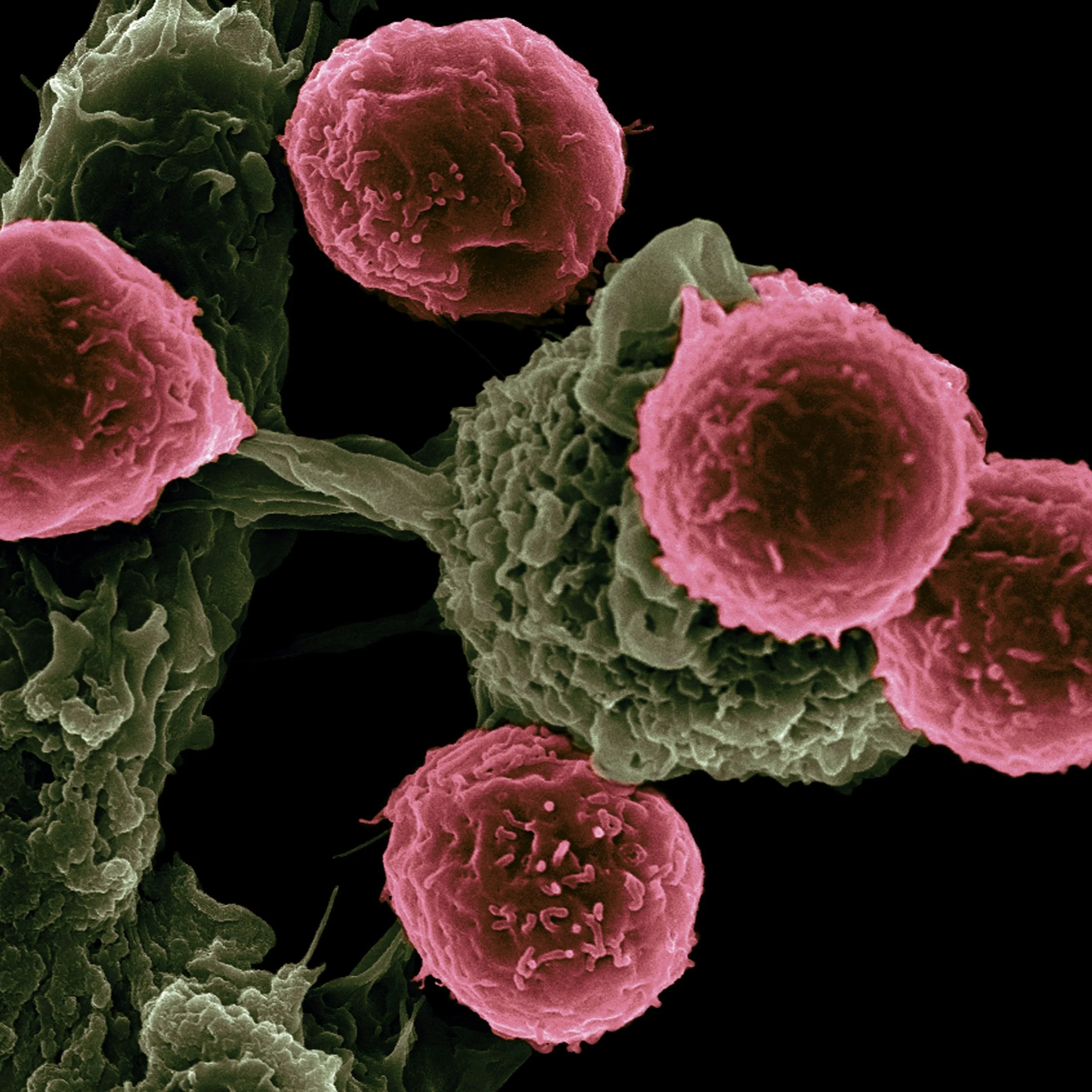
The PARIS Test is at the center of our mission at Cure First. This functional drug sensitivity assay that evaluates how a patient’s live tumor cells respond to many different therapeutic options, including FDA-approved and investigational agents for trial matching. Results are combined with molecular profiling to help physicians make more informed treatment decisions.
The test may be helpful for patients and their care teams who:
Have rare, recurrent, or treatment-resistant cancers
Are considering next-line therapies
Want deeper insight into which treatments may offer benefit
Seek additional data beyond genetic sequencing alone
Cure First supports both patients and providers by:
Offering accessible explanations of functional precision medicine
Helping clinicians understand how PARIS results can support clinical decision-making
Sharing scientific updates and best practices
Building partnerships with cancer centers and research groups to grow our impact across cancer research and care
As we expand access and partnerships, more information on the PARIS Test, eligibility, and provider resources will be available.