
Mouse Avatars
Research Fellow Reid Shaw is focused on identifying targeted and less-toxic drugs that work synergistically with current treatments to prevent single-agent resistance and increase the progression-free survival. Reid’s interdisciplinary research strategy has identified two drug combinations that preferentially kill cancer cells while preserving the viability of normal cells.
With the launch of Project Sweetheart in the spring of 2014, Cure First has been actively pursuing the identification of less-toxic targeted therapies for ovarian and breast cancers. Currently, there are only two FDA-approved targeted therapies for ovarian cancer which patients can turn to after standard chemotherapy efforts fail: olaparib, a PARP inhibitor that is approved for use in BRCA-mutated cancers, and bevacizumab, an angiogenesis inhibitor that works by slowing the growth of blood vessels within the tumor. While these two drugs are both significantly less toxic than typical chemotherapies, patients often become resistant to them after 4 to 18 months, highlighting the dire need for therapies with long-term effectiveness.

CANCER AVATARS: Patient-derived xenograft (PDX) mice provide arguably the closest model to human cancer available without using humans themselves. To develop a PDX mouse model, we will engraft human tumor tissue into mice and then treat the mice with a combination of drugs that we have identified through the integration of many research platforms. By using PDX models, we are able to assess the effect that these targeted therapies have on a living breathing system, incorporating essential aspects such as the tumor micro-environment and drug clearance. This work will hopefully lead to the advancement of new combinatorial therapy and increased patient survival in breast and ovarian cancer.
This experiment will require up to 40 mice and will take approximately six months to complete
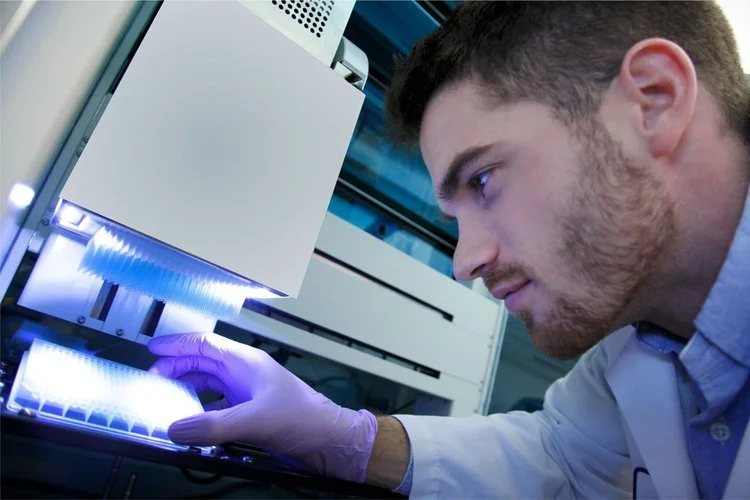
Reid is visually inspecting the quality of the drug dilutions which will be tested on patient-derived ovarian cancer cells. The diluted drugs are added with the aid of robotic liquid-handling equipment, thus minimizing hands-on time and increasing efficiency.
Research Fellow Reid Shaw is focused on identifying targeted and less-toxic drugs that work synergistically with current treatments to prevent single-agent resistance and increase the progression-free survival. Reid’s interdisciplinary research strategy has identified two drug combinations that preferentially kill cancer cells while preserving the viability of normal cells. Project Sweetheart urgently needs funding in order for Reid to conduct an in vivo experiment using patient-derived ovarian cancer cells in avatar mice to make sure that the proposed combinations are safe and effective.
Our goal is to raise $50,000 so that we can fund this critical project and continue to expand treatment options for cancer patients. Your donation will directly support this vital trial and will help usher in the next generation of ovarian and breast cancer treatments.

Neuroblastoma Fundraiser
Cure First raised funds to drive the research of high-throughput technologies and screening to precisely identify characteristics of the cancerous tissue and pinpoint therapies specific to individual neuroblastoma (NB) patients. In the past 2 years, thanks to generous donations, we have continued to meet our goals and push forward the next generation of healthcare.

Project Overview
Cure First raised funds to drive the research of high-throughput technologies and screening to precisely identify characteristics of the cancerous tissue and pinpoint therapies specific to individual neuroblastoma (NB) patients. In the past 2 years, thanks to generous donations, we have continued to meet our goals and push forward the next generation of healthcare.
What Was the Challenge?
JOHN MARIS, MD, of The Children's Hospital of Philadelphia Cancer Center, discusses the collaboration with Cure First to advance research on personalized and targeted treatments for pediatric NB. The generous support of the Soupy for Loopy Foundation has provided for the screening and analysis of ten live NB samples.
Despite intensive treatments involving months of chemotherapy, surgery and consolidation therapy with life-threatening side effects and long-term disabilities, the survival today of children with high-risk NB is less than 40%.
Cure First's approach to this problem employs powerful, robotics-based high-throughput screening that applies small RNA molecules, which are able to inhibit gene function and identify targeted treatments. The most effective and biologically relevant gene targets were further validated with large drug libraries that include targeted FDA-approved drugs, in NB organoids derived from individual children. While we plan to continue testing for thousands of new possible combinations with retinoic acid, which is a relatively non-toxic drug already in use, we also want to bring our findings closer to a clinical trial. Our results show that a class of drugs approved for other cancer types, could be significantly beneficial for NB as well, although we need to validate this with a mouse study.
We have already published promising results for this approach (Toyoshima et al. PNAS, 2012; Cermelli et al, CSH Perspectives in Medicine, 2014; Grandori and Kemp, Future Oncology, 2013). Link to publications.
Including the 2017 paper validating the screening method with collaborator C. Pauli
Our Goal
Our goal is to give children afflicted by NB and their families the chance for a happy life. We will translate the approach we take for NB to other cancers, and use the power of robotics, genomics and computers to identify personalized, targeted and less-toxic treatments for hundreds of childhood cancers.
Why Did We Need Funds?
Funds were needed to make the next step possible, an in-vivo mouse study. Sponsors helped support our Neuroblastoma Project either by giving directly to Cure First where their donations were deposited into the NB fund or to our Global Giving Page, where they could browse through our quarterly reports and obtain more info about the fundraising campaign.

Project Sweetheart
Barbara Shaffer was known to her friends as Janie, but her husband and family called her "Sweetheart." She fought ovarian cancer for more than a decade. Her life, and the love she shared with everyone around her, inspired Cure First to establish Project Sweetheart, a research initiative named in her honor.

Barbara Shaffer was known to her friends as Janie, but her husband and family called her "Sweetheart." She fought ovarian cancer for more than a decade. Her life, and the love she shared with everyone around her, inspired Cure First to establish Project Sweetheart, a research initiative named in her honor.
Cure First performs cutting-edge cancer research through Project Sweetheart, a series of genome-wide studies which aim to identify targeted treatments for ovarian and breast cancer.
Going beyond DNA sequencing, Cure First uses functional interrogation of both genes and/or existing drugs to define future targets for drug development. We also look to re-position drugs used for other cancers which may also prove effective for ovarian or breast cancer.
Cure First employs the power of robotic testing directly in patient-derived cells in order to find the optimal drug combinations among the thousands of possible permutations. Ultimately, drug combinations will be the key to arriving at curative and more durable responses.
Cure First integrates the results from its screenings with The Cancer Genome Atlas and other databases to establish new markers that more accurately predict drug sensitivities for breast and ovarian cancer.
The Project Sweetheart studies are crucial first steps toward the creation of targeted therapies for individual cancer patients.
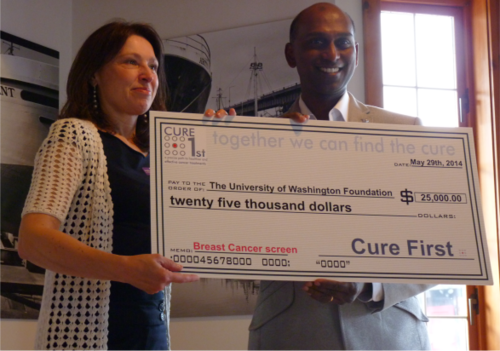
Dr. Carla Grandori presenting Dr. Gadi with the donation check for breast cancer screens.
“The donation has permitted the first-ever, patient-derived cell screening of over 700 genes, coding for proteins, called kinases, in four patients with breast cancer whose disease had recurred despite state-of-the-arts therapies. Though more work needs to take place, the screens have already pointed to interesting pathways which might be targeted to overcome resistance to the standard therapies that failed patients.”
Cure First launched Project Sweetheart in the Spring of 2014 with a donation of $50,000 to University of Washington oncologists Dr. Elizabeth Swisher, Dr. Barbara Goff and Dr. VK Gadi.
Dr. Gadi and his team have begun to validate some of these targets and the initial results are holding up. The data has been presented both at the NIH in May 2015 and at the annual ASCO meeting in June 2015 where it was greeted with enthusiasm.
Who Was Sweetheart?
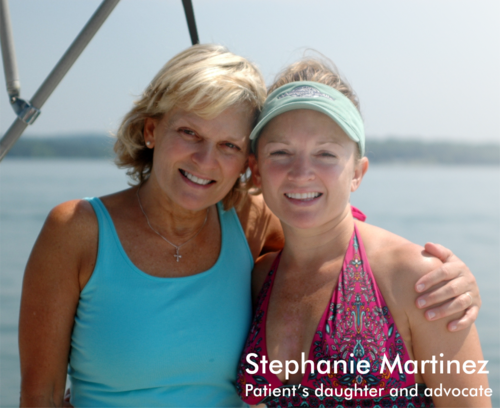
“For me, Cure First is hope. Hope that there is a path that can be taken to provide not only personalized therapies, but also non-toxic cures. Helplessness can become overwhelming when watching a loved one suffer endlessly because of aggressive chemotherapy regimens. Cure First, through the detailed screening of the genetic make-up of the pathways of a tumor, opens a new door. For my family it means moving forward and exploring new possibilities.”
We first heard about Janie from her daughter Stephanie, who contacted us in July 2012. Stephanie was searching for new and novel approaches to studying and treating her mother’s cancer, and was intrigued by our work in the field of functional genomics, which is the study of how genes affect the growth and survival of certain cells.
By combining high-powered robotic instruments with new technologies that isolate one gene at a time, Dr Grandori had identified dozens of potential new targets for the treatment of difficult cancers. Dr Grandori had also begun to explore culturing cancer cells from patient biopsies and screening them against hundreds of known compounds to search for other treatment options. Stephanie wanted to know if Cure First could apply these approaches to Janie’s cancer.
Janie traveled to Seattle and we arranged for her to have a special consultation with Dr. Elizabeth Swisher, one of the world’s preeminent specialists in ovarian cancer. Unfortunately, her disease was too far advanced and moving too quickly. A few months later, she passed away. Her long battle with ovarian cancer was over.
Now, Janie’s friends and family have taken up that battle where Janie left off. Their support, and their belief in our approach, has inspired us to further pioneer the culture and screening of patient-derived cells. As we refine and perfect these methods, we move ever closer to the day when people like Janie will face cancer with the odds on their side.
Project Sweetheart was initiated and inspired by a mother, a grandmother and a daughter whose determination and resilience were fueled by love. These women, and families just like them, are the reason we do this work. By naming this project after Janie, we join the battle she fought, along with thousands of others like her. Together, we plan to make real what seemed impossible such a short time ago.

Cancer Think Tank
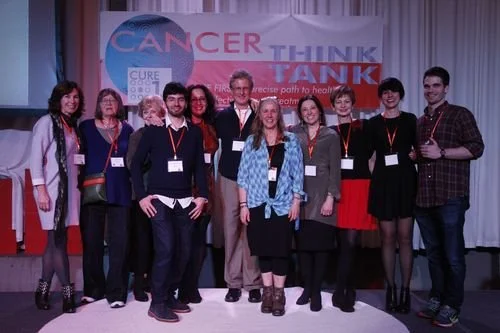
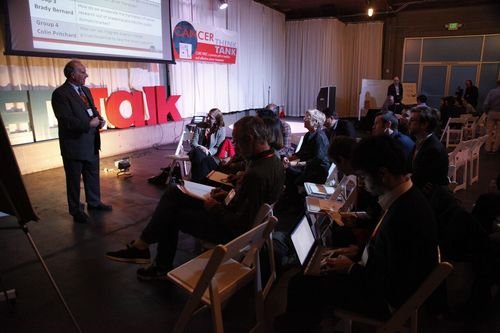
On January 21, 2016, Cure First brought together prominent experts from a variety of disciplines—clinical oncology, computational sciences, patient advocacy, pharmaceutical R&D, cancer research, and genetics—to share their work and vision about the realities and possibilities of new cancer therapies.

On January 21, 2016, Cure First brought together prominent experts from a variety of disciplines—clinical oncology, computational sciences, patient advocacy, pharmaceutical R&D, cancer research, and genetics—to share their work and vision about the realities and possibilities of new cancer therapies.

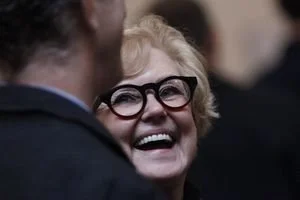
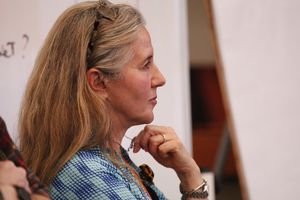
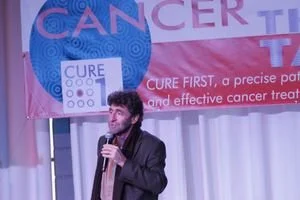
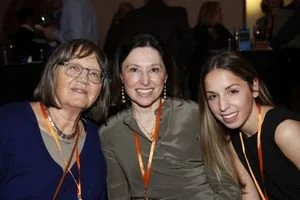
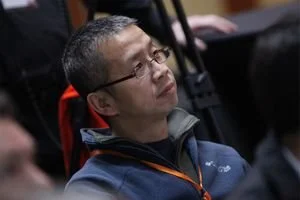

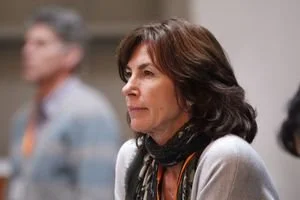
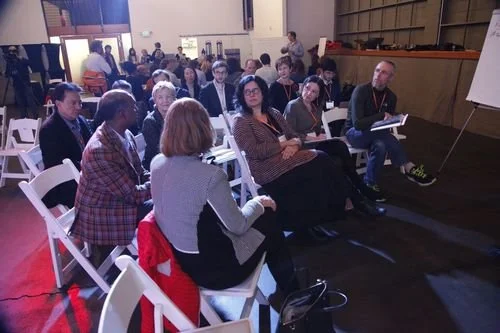
Cancer Think Tank provided a forum for experts to consider the potential of applying the latest advances in functional genomics, cutting-edge robotic technology and high-throughput screening (HTS) to identify the possibilities of personalized medicine and to further our understanding of how to kill cancer.
Platforms and insights into potentially groundbreaking science and technology were shared through MED Talk presentations. Then, working with small groups, facilitators helped harness ideas and examples of what could be done to develop new approaches for treating cancer. Research themes that surfaced from group interactions were shared with the larger group for further investigation. The facilitators are currently working to identify topics for potential grants and will be contacting Cancer Think Tank participants to review these ideas and to solicit their collaboration in developing them into grants.
Funding for specific initiatives emerging from the conference will be pursued in the coming months. Participants interested in working with other specialists will be invited to write segments of grant applications using a structured approach to encourage faster development. Strategic submissions to funding institutions such as the NIH and NCI will follow.
NEXT STEPS
FEBRUARY: Consolidate ideas and create teams.
MARCH—MAY: Gather ideas, draft proposals and investigate possible funding sources.
JUNE—FALL: Submit applications according to specific deadlines.
Winter 2016/17: BEGIN RESEARCH
Our Speakers
“Cancer Think Tank was a great way to meet the diverse people in the cancer community— researchers, clinicians, patients, and advocates—to share ideas, to explore collaborations, and to be inspired towards our common goal. I’m looking forward to the next one.
”
MED TALKS
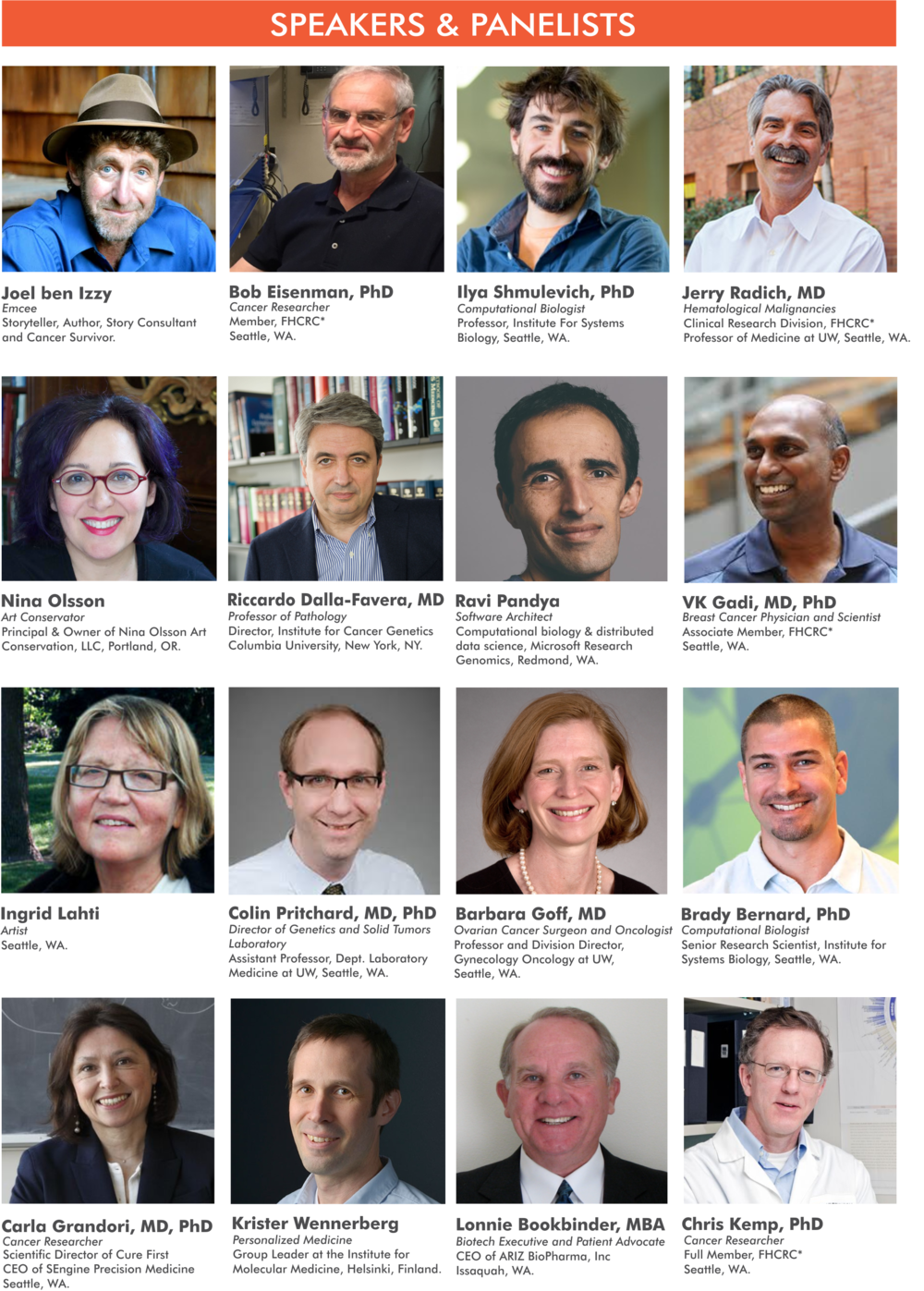
BOB EISENMAM: "Oncogenesis: It Takes a Network"—What does it take to find the personalized cure for cancer?
ILYA SHMULEVICH: "The Engineering Approach to Cancer"—How can analytical tools traditionally used in engineering, such as systems modeling and simulation, be applied to the problems of developing personalized therapies for cancer?
JERRY RADICH: "The Genetics of Luck"—Some patients who should do great, don’t. Others shouldn’t do well, but do great. This is often ascribed to luck. Is it, or is there something more?
RAVI PANDYA: "Computational Medicine for Cancer"—Sophisticated software algorithms and large scale cloud computing systems are becoming essential to understanding and treating the complex and diverse genomic alterations that cause cancer.
VK GADI: "Breakthroughs in Fighting Breast Cancer"—Building functional genomics maps to deliver better treatments.
Our Sponsors


Med Talk Presentations
CARLA GRANDORI, MD, PhD:
"A Blueprint for Future Drug Target Discovery."
RAVI PANDYA:
"Computational Medicine for Cancer."
VK GADI, MD, PhD:
"Breakthroughs in Fighting Breast Cancer."
BOB EISENMAN, PhD:
"Oncogenesis: It Takes a Network."
JERRY RADICH, MD:
"The Genetics of Luck."
ILYA SHMULEVICH, PhD:
"The Engineering Approach to Cancer."
Cancer Think Tank 2.0
We were honored to have had our keynote speaker, Dr. Anthony Letai, a pioneer of Precision, Personalized and Functional Oncology present his latest research and innovations in the use of functional genomics in treating cancer. You can watch his presentation, and those of other speakers, in the respective videos below. Plans are underway for Cancer Think Tank 3.0 to be held in the Winter of 2020.
Our Goals for the Evening
To gain an understanding of next-generation precision medicine
Provide an update on SEngine’s P.A.R.I.S. Test and benefit to patients
Understand the role community oncologists play in precision medicine
Our Moderator

Dr. V.K. Gadi, MD, PhD, Associate Member of the Fred Hutchinson Cancer Research Center Clinical Research
Our Speakers
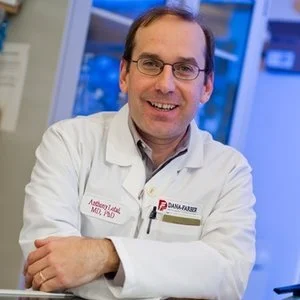
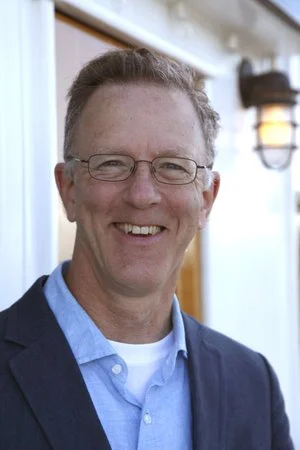
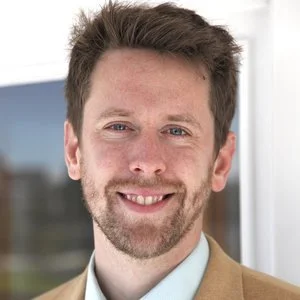
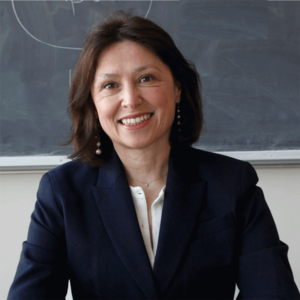
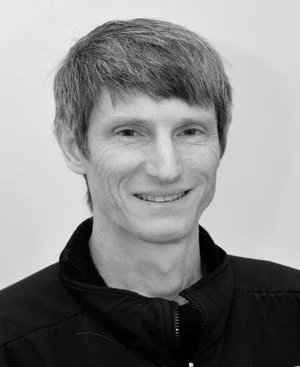
We were honored to have had our keynote speaker, Dr. Anthony Letai, a pioneer of Precision, Personalized and Functional Oncology present his latest research and innovations in the use of functional genomics in treating cancer. You can watch his presentation here.
Dr. Carla Grandori’s, MD, PhD, CEO of SEngine Precision Medicine and President and Scientific Director of Cure First presentation, can be viewed here.
Dr. Michael Churchill’s, PhD, Lead Scientist at SEngine Precision Medicine presentation, can be viewed here.
Click here to see the night’s agenda. Plans are already underway for Cancer Think Tank 3.0.
Our Sponsors